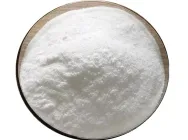
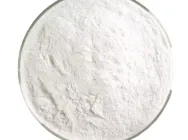
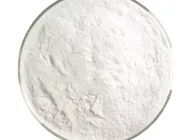
Common name:Fipronil
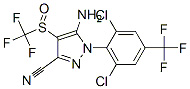
Chemical name:5-Amino-1-(2,6-dichloro-4-(trifluoromethyl)phenyl)-4-(1,R,S)-(trifluoromethyl)sulfinyl)-1H-pyrazole-3-carbonitrile
CAS No:120068-37-3
Molecular formula:C12H4Cl2F6N4OS
Molecular weight:437.2
Structural formula:
Use:
Application: Fipronil is a highly active, broad-spectrum insecticide from the phenyl pyrazole family. It can be used against major lepidopterous and orthopterous pests on a wide range of field and horticultural crops and against coleopterous larvae in soil. It is also employed for cockroach and ant control.
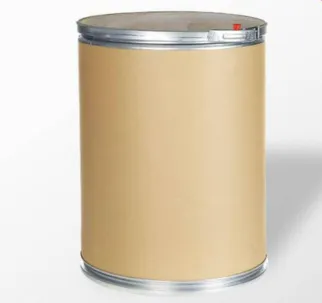
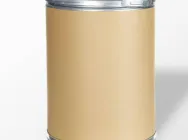
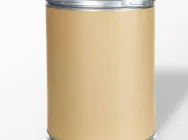
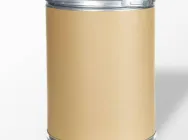
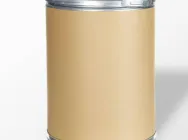
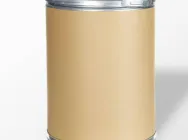
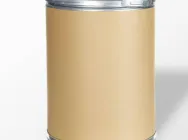
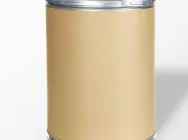
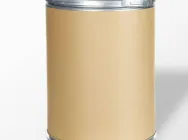
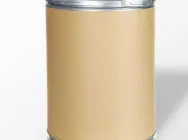
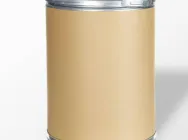
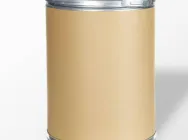
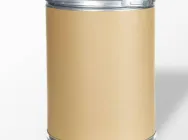
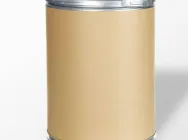
Packing:25kgs/Cardboard Drum
Formulation:99%TC,98%TC,97%TC,96%TC,80%WDG.80%WP,50g/L SC,200g/L SC,250g/L SC,0.1%RJ
Fipronil is the first benzopyrazole used for pest control. Since its discovery in 1987, it has been widely used in many fields such as agriculture and veterinary medicine, and has become an important insecticide variety. Non prednisolone, trade name regent, is a new type of benzopyrazole insecticide. Compared with traditional insecticides (organophosphorus, pyrethroid and carbamate), it has the advantages of broad spectrum and high efficiency. It has been widely used in many agricultural fields and is a common insecticide for pest control. Fipronil is mainly produced by blocking γ- Aminobutyric acid receptor controlled Cl - channel induces Cl - flow, which causes the nervous system to be extremely excited and leads to the death of insects, so as to achieve the control effect on a variety of economic pests.
IUPAC
5-amino-1-[2,6-dichloro-4-(trifluoromethyl)phenyl]-4-(trifluoromethylsulfinyl)pyrazole-3-carbonitrile
Matter Classification
organic
Density
1.477-1.626 g/cm3
Acidity and Basicity
alkalinity
Risk Code
R23/24/25-48/25-50/53-55-57-36